Stone guide · stones, plainly
Learn about lab-grown ruby
Ruby grown in a lab, identical chemistry, disclosed plainly.
- The facts
- Stone facts
- Mineral family
- Corundum
- Hardness
- 9 / 10 Mohs
- Birthstone
- Jul.
- Anniversary
- 15th
The mineral
Corundum with chromium in its bones: the red of the family, and the rarest color it makes.
In the hand
At 9 / 10 on the Mohs scale it is heirloom-hard: wear it every day for a lifetime and let the metal show the years instead.
Treatment, plainly
Grown above ground with the same chemistry as its mined counterpart. The passport says lab-grown in those words, and the price says it too.
Choosing one
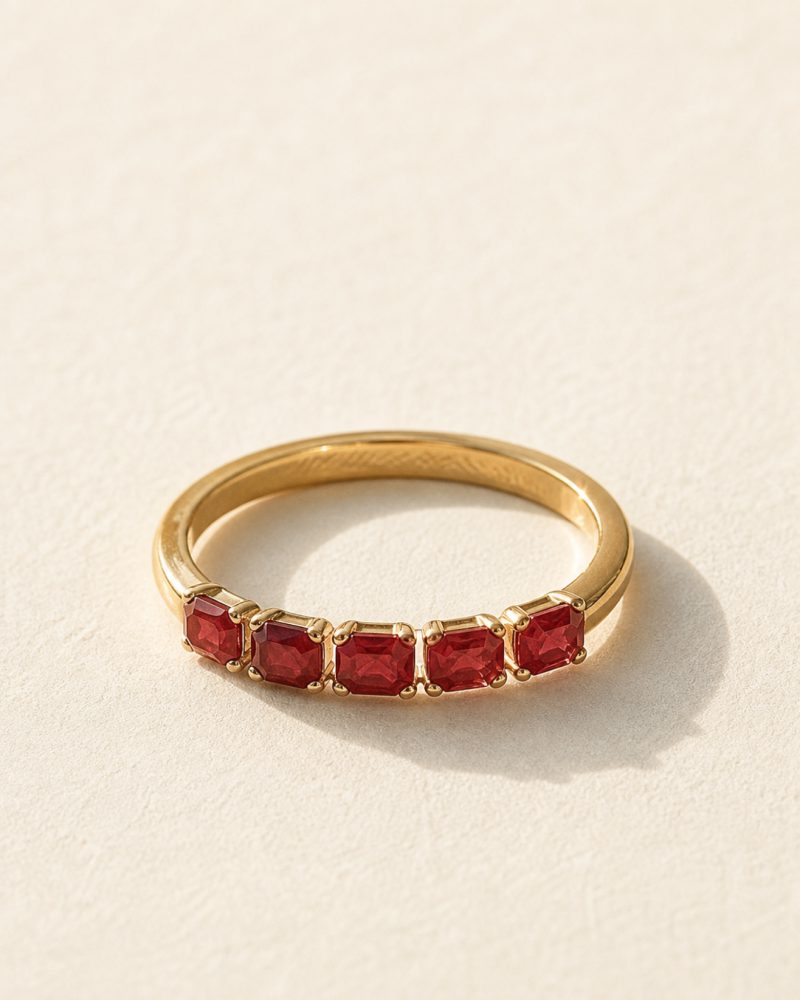
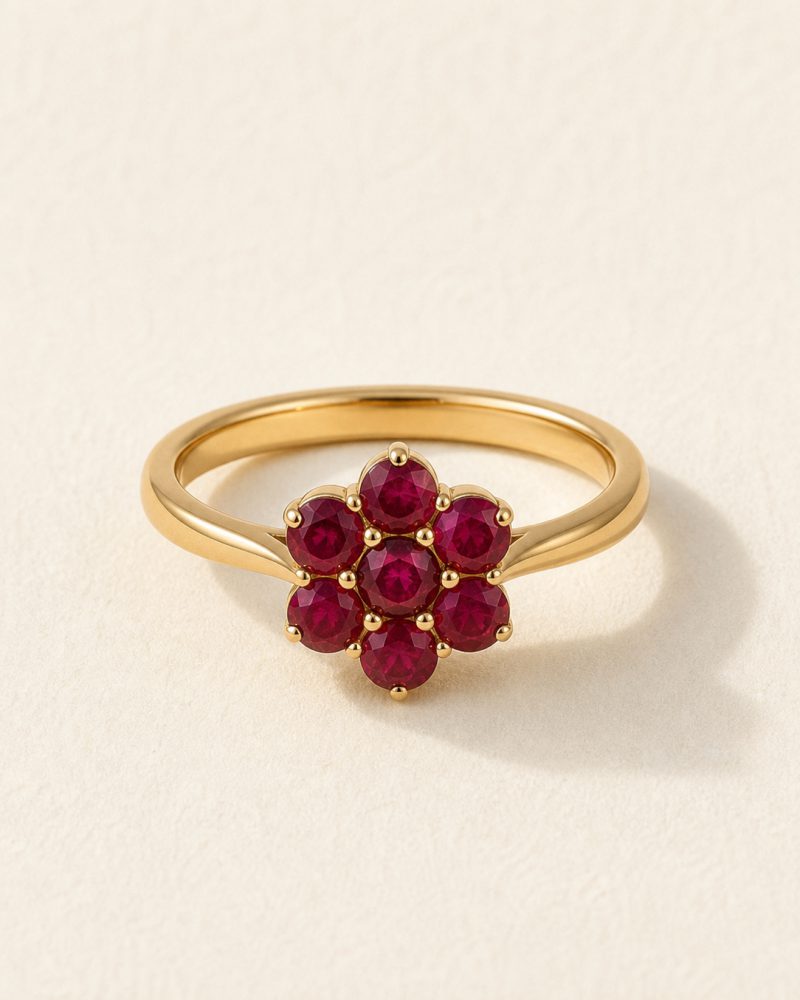
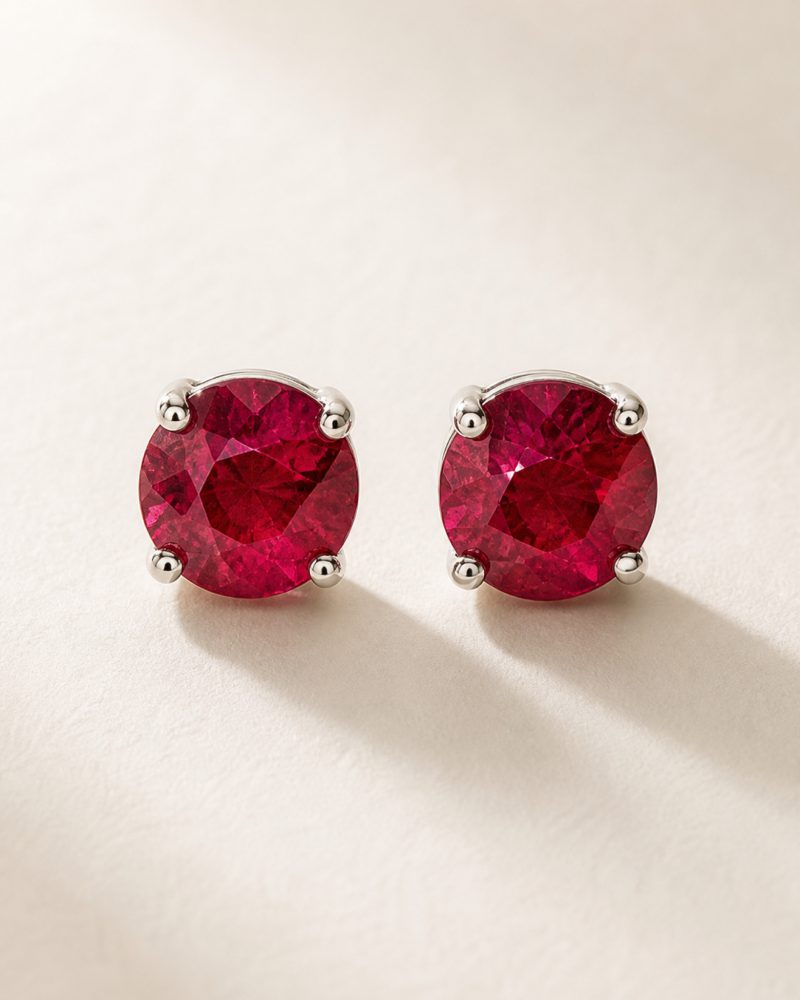
Photographs flatter and light booths lie. We choose lab-grown ruby in north daylight, loose, against ivory paper, and we would rather show you two honest stones than twenty pretty pictures. Ruby grown in a lab, identical chemistry, disclosed plainly.
Care
Warm water, a drop of dish soap, a soft brush. Store it in its own pouch; it will scratch softer stones sooner than they scratch it.
Asked about lab-grown ruby
Is lab-grown ruby right for daily wear?
At 9 / 10 on the Mohs scale it is heirloom-hard: wear it every day for a lifetime and let the metal show the years instead.
Is it treated?
Grown above ground with the same chemistry as its mined counterpart. The passport says lab-grown in those words, and the price says it too.
What does it cost here?
Current works with this stone start at From $3,400. Every piece is one of a kind, so prices move with the stone, never with a formula.
How do I know what I am buying?
Every stone that leaves the studio carries a passport: species, carat, cut, origin as far as it is knowable, and treatment in full words. If a lab has seen it, the certificate number is on the passport.
Current works & prices