Stone guide · stones, plainly
Learn about tahitian pearl
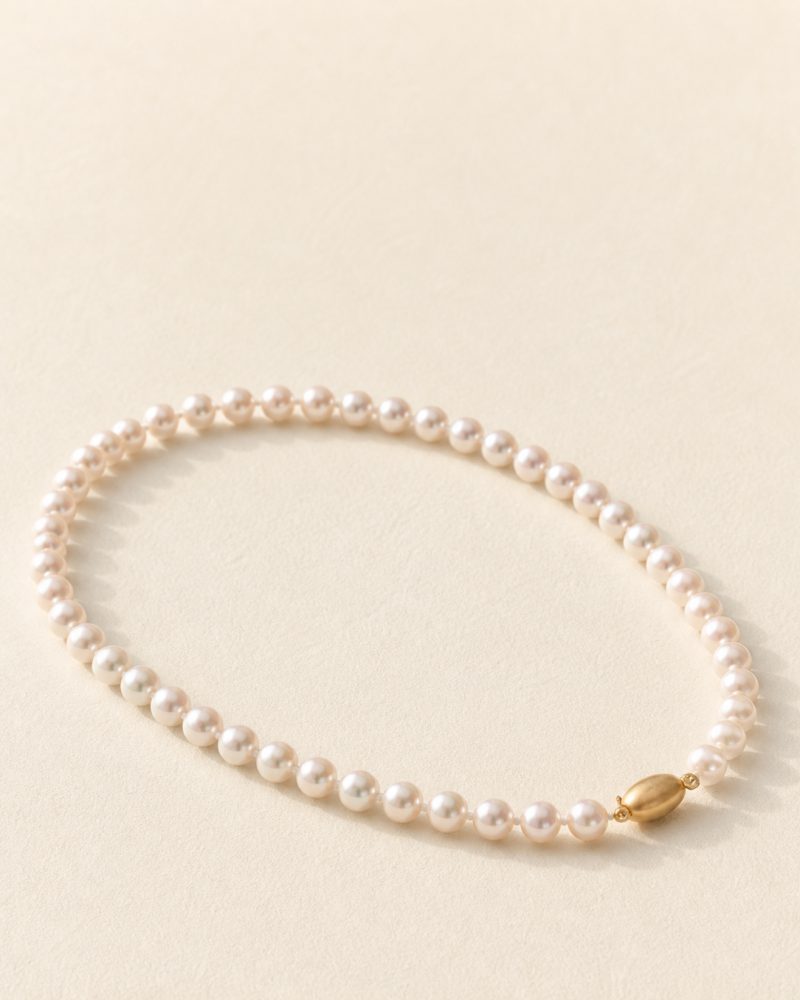
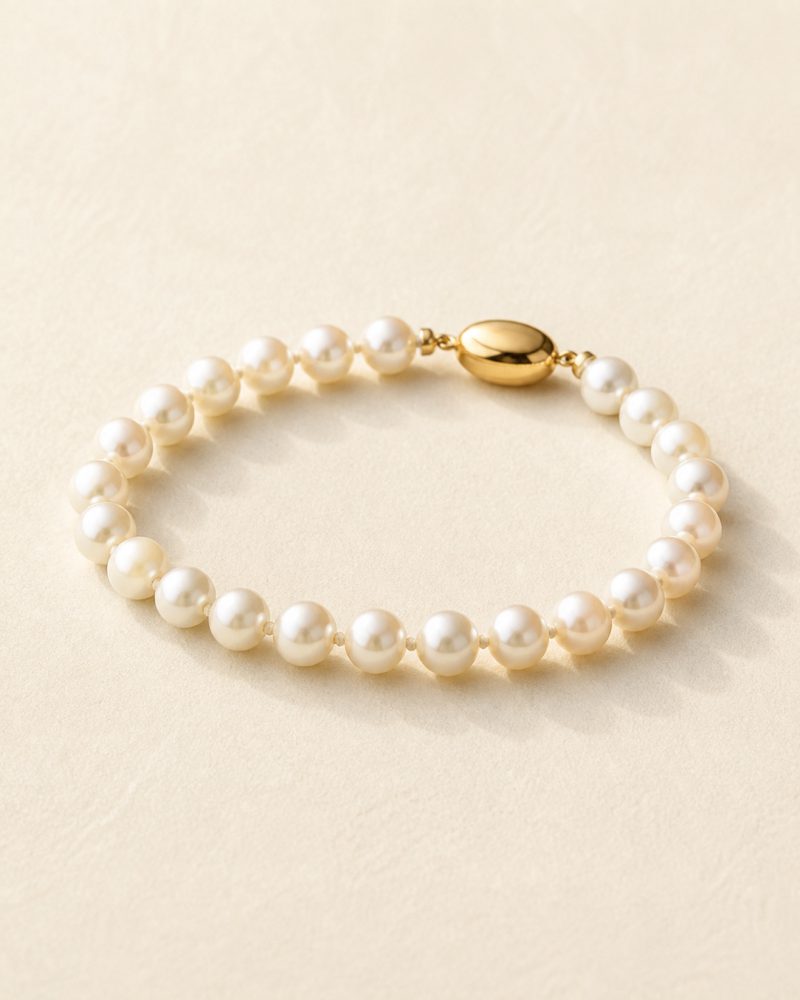
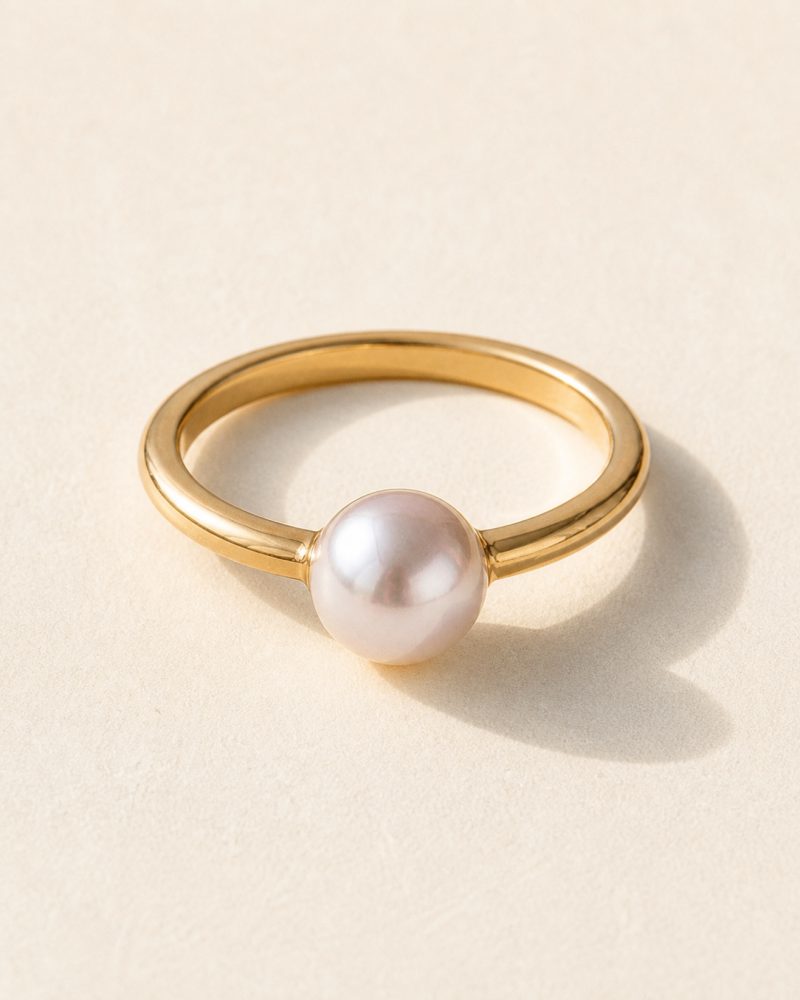
Gunmetal and peacock pearls from black lipped oysters.
- The facts
- Stone facts
- Mineral family
- Nacre
- Hardness
- 3 / 10 Mohs
- Birthstone
- Jun.
- Anniversary
- 30th
The mineral
Not a mineral at all: nacre, laid down layer on layer by a living animal. The only gem an animal makes.
In the hand
At 3 / 10 on the Mohs scale it is a delicate stone. We set it protectively, and it rewards being the occasion piece rather than the everyday one.
Treatment, plainly
Cultured, like nearly every pearl sold anywhere; the animal still does all the work. The passport states the water it grew in.
Choosing one
Photographs flatter and light booths lie. We choose tahitian pearl in north daylight, loose, against ivory paper, and we would rather show you two honest stones than twenty pretty pictures. Gunmetal and peacock pearls from black lipped oysters.
Care
Warm water and a soft cloth, nothing ultrasonic. Store it in its own pouch, away from harder stones, and bring it to the studio once a year; the check costs nothing.
Asked about tahitian pearl
Is tahitian pearl right for daily wear?
At 3 / 10 on the Mohs scale it is a delicate stone. We set it protectively, and it rewards being the occasion piece rather than the everyday one.
Is it treated?
Cultured, like nearly every pearl sold anywhere; the animal still does all the work. The passport states the water it grew in.
What does it cost here?
Current works with this stone start at From $2,400. Every piece is one of a kind, so prices move with the stone, never with a formula.
How do I know what I am buying?
Every stone that leaves the studio carries a passport: species, carat, cut, origin as far as it is knowable, and treatment in full words. If a lab has seen it, the certificate number is on the passport.
Current works & prices